REOPENING THE VAULT
In South Africa, archives are contested and underfunded spaces, yet they remain vital to our country’s history. Today, archivists are reimagining these spaces as “living cultural hubs” of memory that go beyond preservation, says Maite Salphina Manganye, president of the South African Society of Archivists.
As you preserve the past, you are, at the same time, protecting the present and the future. As you appraise records inside a box, you may discover a solution outside the box.” – John Hocking, United Nations Assistant Secretary-General between 2009 and 2017.
Jailed for his beliefs against apartheid, Horst Kleinschmidt was later forced into exile. What he never imagined was that he would one day collect material that others feared to keep.
In 1963, anti-apartheid activist Beyers Naudé founded the Christian Institute of Southern Africa (CI) as an ecumenical organisation that used Bible study to teach Christians how to respond to South Africa’s pressing social issues. In 1972, he recruited Kleinschmidt to run a white community programme aimed at transforming the attitudes of white South Africans.
Fleeing South Africa in 1976 after being detained, Kleinschmidt began receiving letters from Naudé. Relying on couriers and travellers, Naudé would smuggle letters to Kleinschmidt, who was living in London at the time.
“He smuggled in the region of 200 letters to me through couriers and people who happened to visit South Africa and I’ve kept them all,” says Kleinschmidt, now nearly 80 years old. “I’ve never thrown anything away.”
During the time of apartheid, any documentation linked to the CI was illegal. What the government seized was presumed to be destroyed.
“It’s the oppressor that destroys history, but the oppressed [have to] destroy what they have,” says Kleinschmidt. “And that is what happened in South Africa at a massive scale.”
What started as a handful of letters, over time grew into rooms filled with smuggled letters and documents on civic and social organisations throughout South Africa.
But 15 years ago, Kleinschmidt brought it all home. “I ended up with rooms full of documents. I had no idea where this was going, and I certainly didn’t see myself as an archivist. I just knew somehow it should be preserved.”
Kleinschmidt’s private collection comprises around 20 000 items, ranging from rare pieces such as the smuggled letters, to some that are widely available.
Currently in the process of digitisation, he stores boxes of files in his corridor and moves them to a separate room once digitised, he says.
“[My items] may or may not be existing somewhere else in South Africa, but they will [all] relate to struggle, to popular resistance, to things that people did in that period.”
The value of the collection lies in what it offers the future, he says.
“A country goes through relatively peaceful periods and then, for whatever reason, contradictions arise, […] and we lived through that in South Africa,” says Kleinschmidt. “If you go through such a climax, then it is worthwhile knowing and understanding it.”
His archive shows that there are ways to navigate a crisis, documenting how Naudé and those associated with him argued their way through apartheid and tested many things through deep theological, sociological and political reflection, says Kleinschmidt.
Private archives are a way to enrich national collections by preserving materials of social relevance and making the collection accessible to the public, says Kleinschmidt.

Reimagining archives
Archives are often imagined by the general public as silent or passive spaces: Rooms that are filled with boxes of old papers, photographs, video footage and documents. But for archivists, they are active and evolving spaces.
“Part of keeping a collection alive or interactive is working through it in a way that thinks carefully,” says Dr Bronwyn Strydom, an art archivist at the University of Pretoria. “I spend hours of my day sorting it, and if no one uses it, what’s the point?”
The International Council on Archives (ICA) defines archives as “the documentary by-product of human activity retained for their long-term value”. They are unique to each generation and rely on the institutions or individuals housing them to share their name with the world, according to the ICA.
Maite Salphina Manganye, president of the South African Society of Archivists (SASA), describes archives as “living spaces that go beyond preservation”.
For Manganye, an active archive includes more than just historical records, storytelling, exhibitions, digital accessibility or collaborative projects – it is also a space that is dynamic and participatory.
“[Archives] need to be used, they need to be interpreted, they need to be shared and engage communities. They need to inform the public discourse and […] support education, culture and social justice,” says Manganye.
“It is the means by which to use history and see whether it has applicability or relevance, or anything to say to the recurrence of social issues that, in every generation, happened,” says Kleinschmidt.
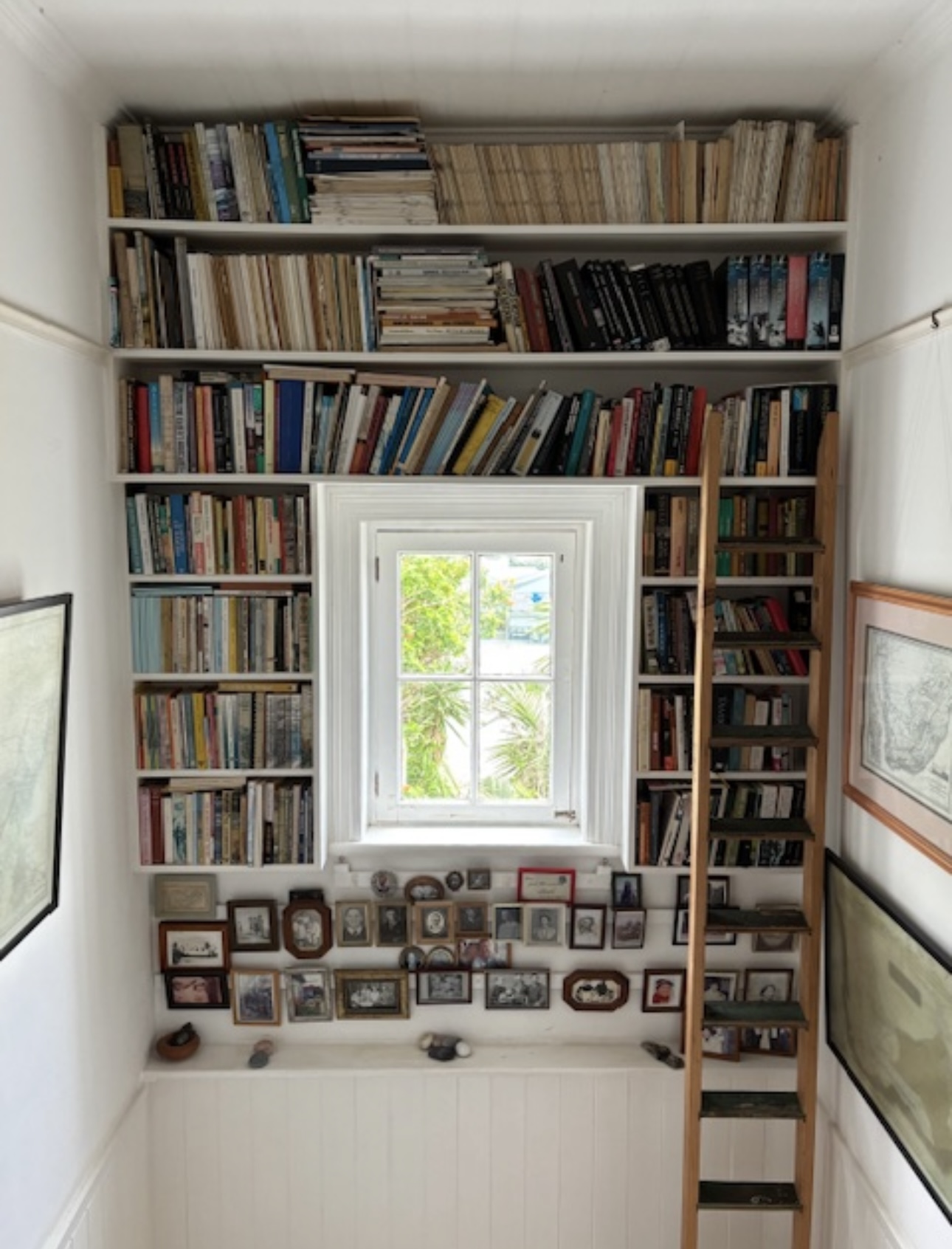
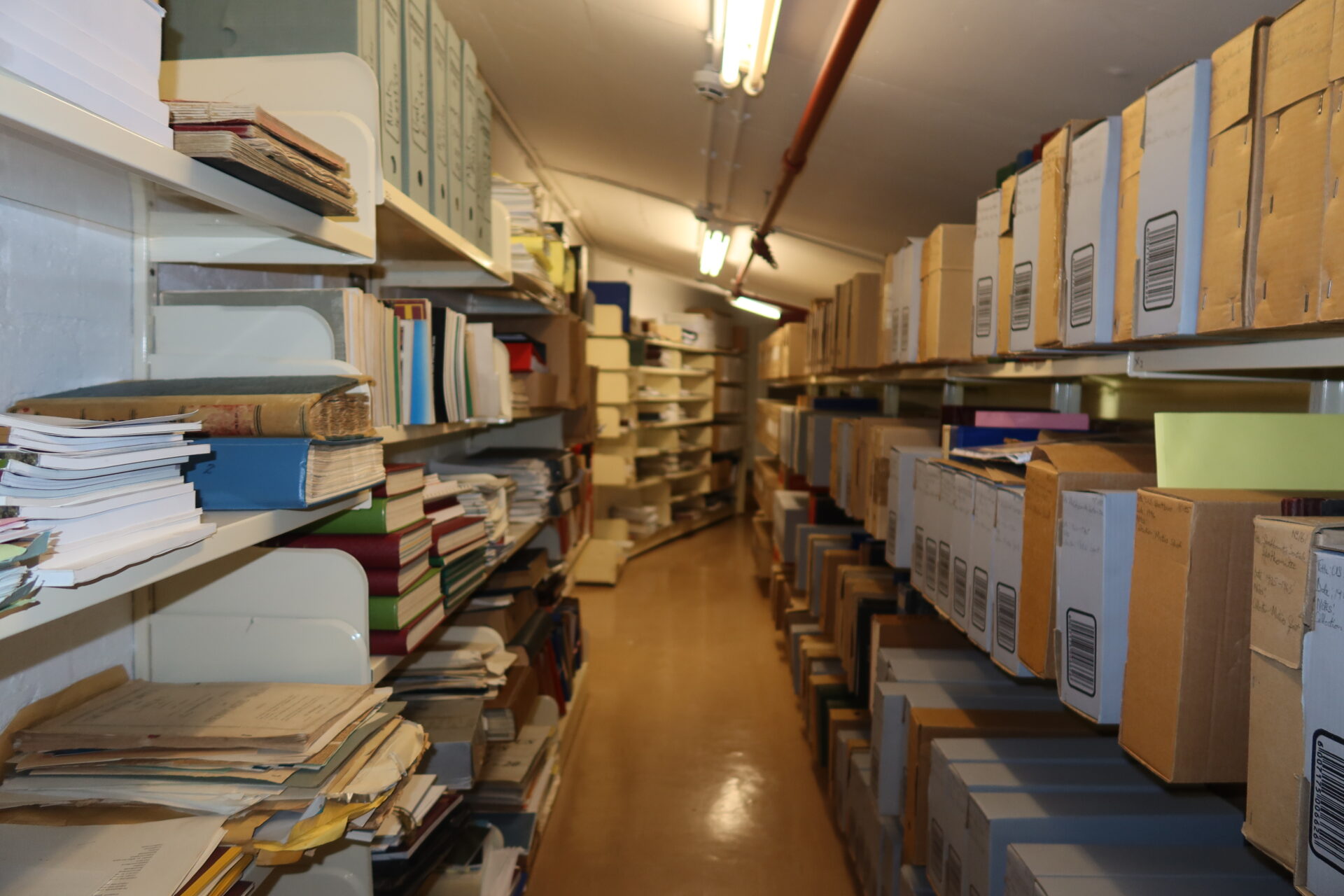
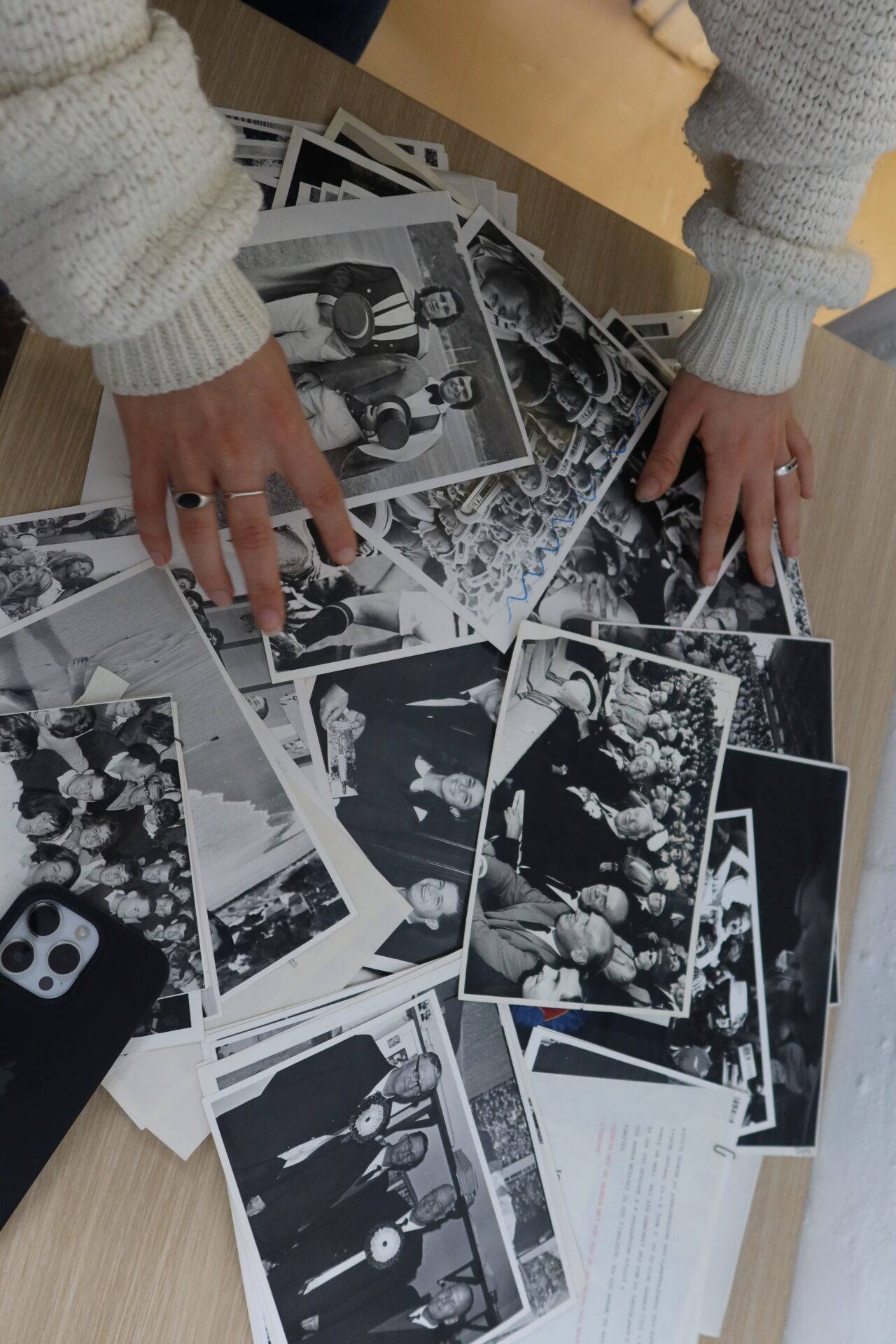

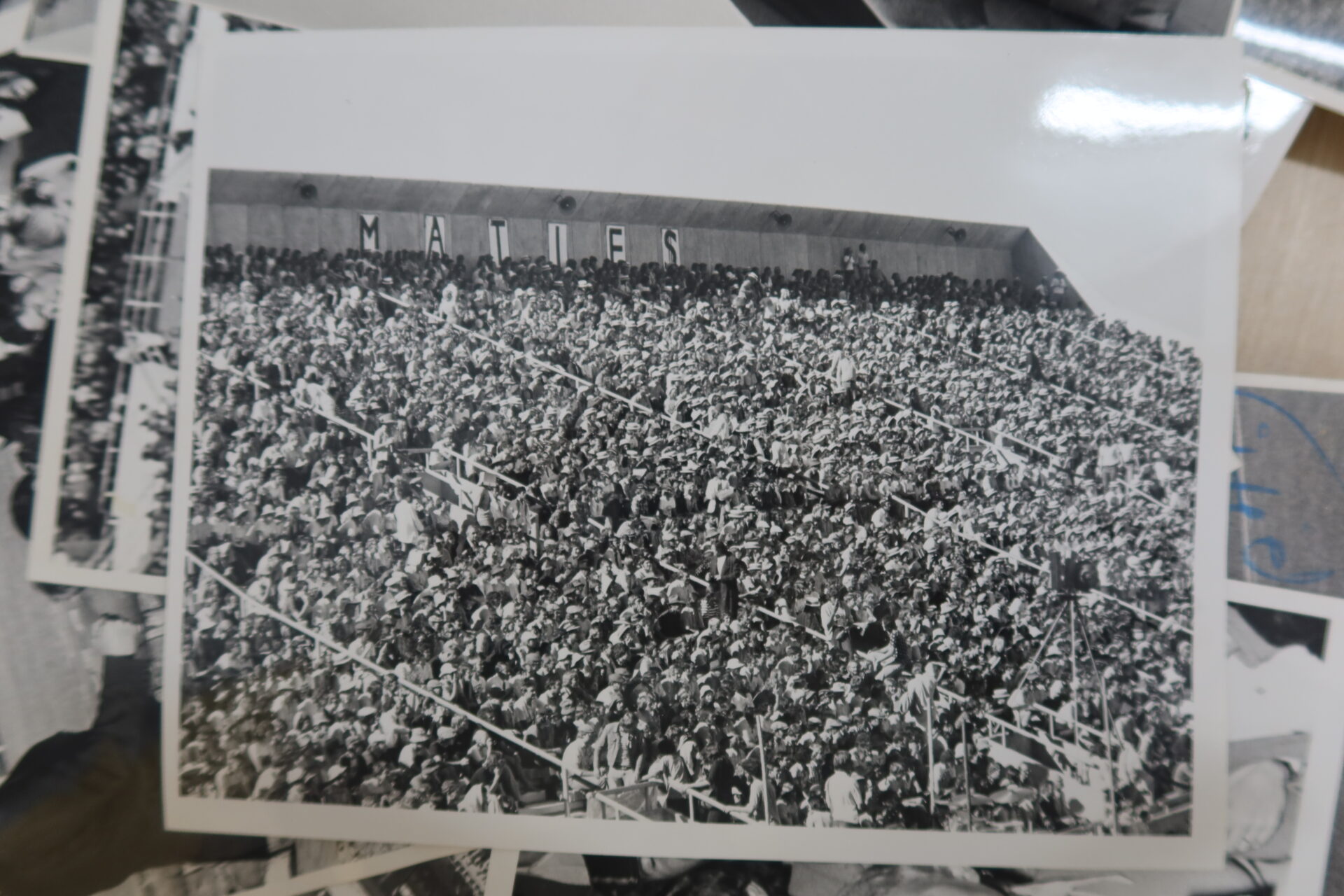

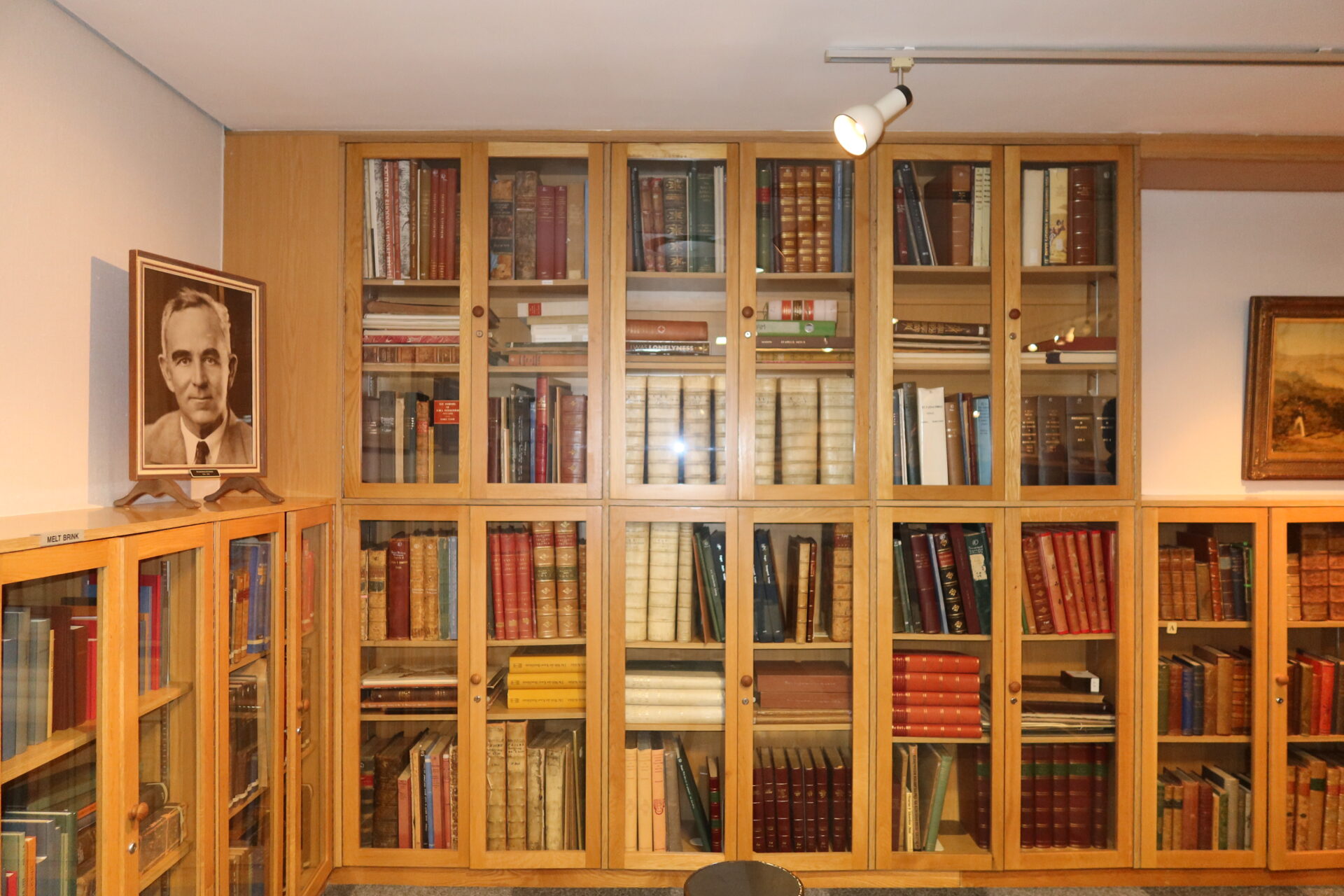


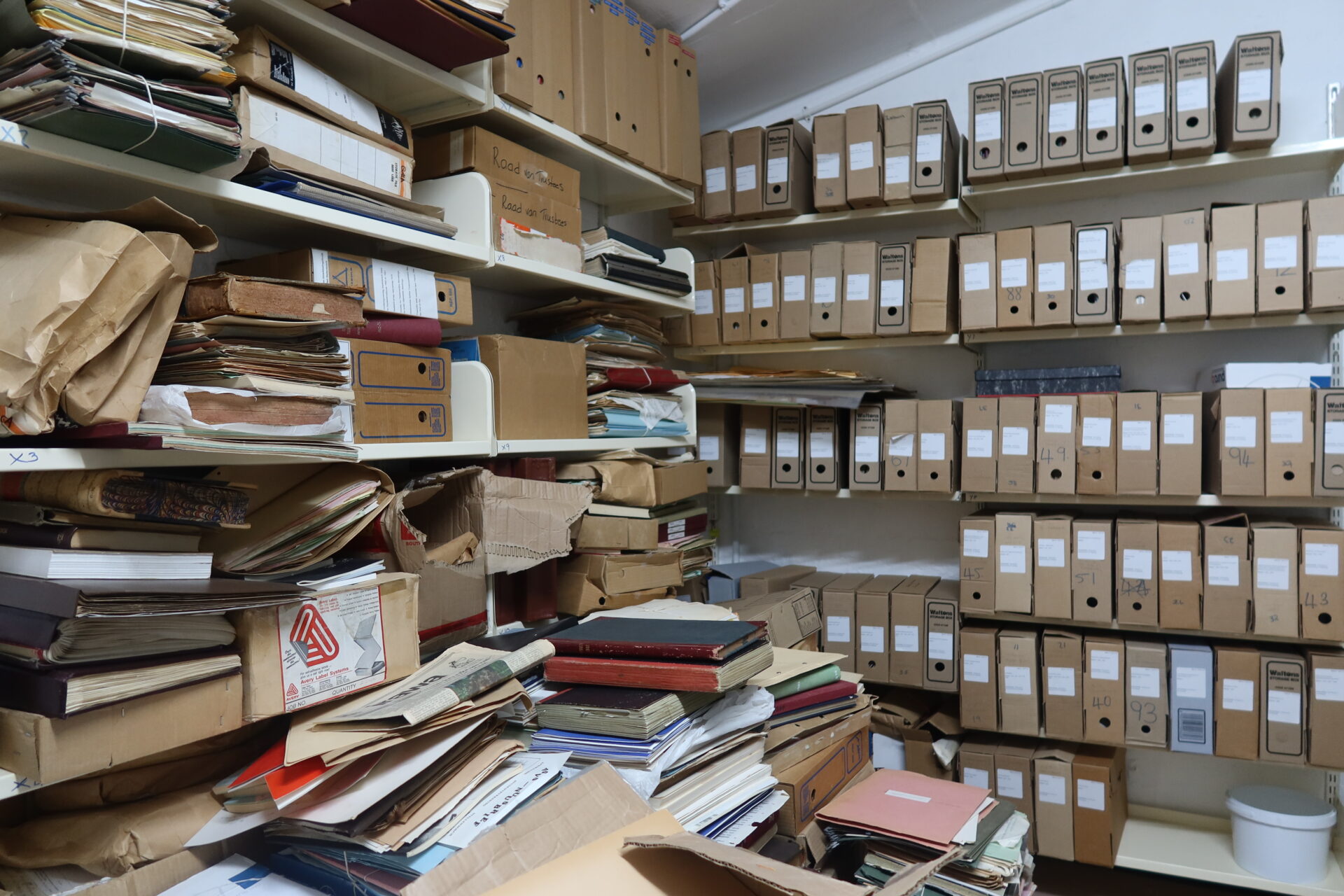
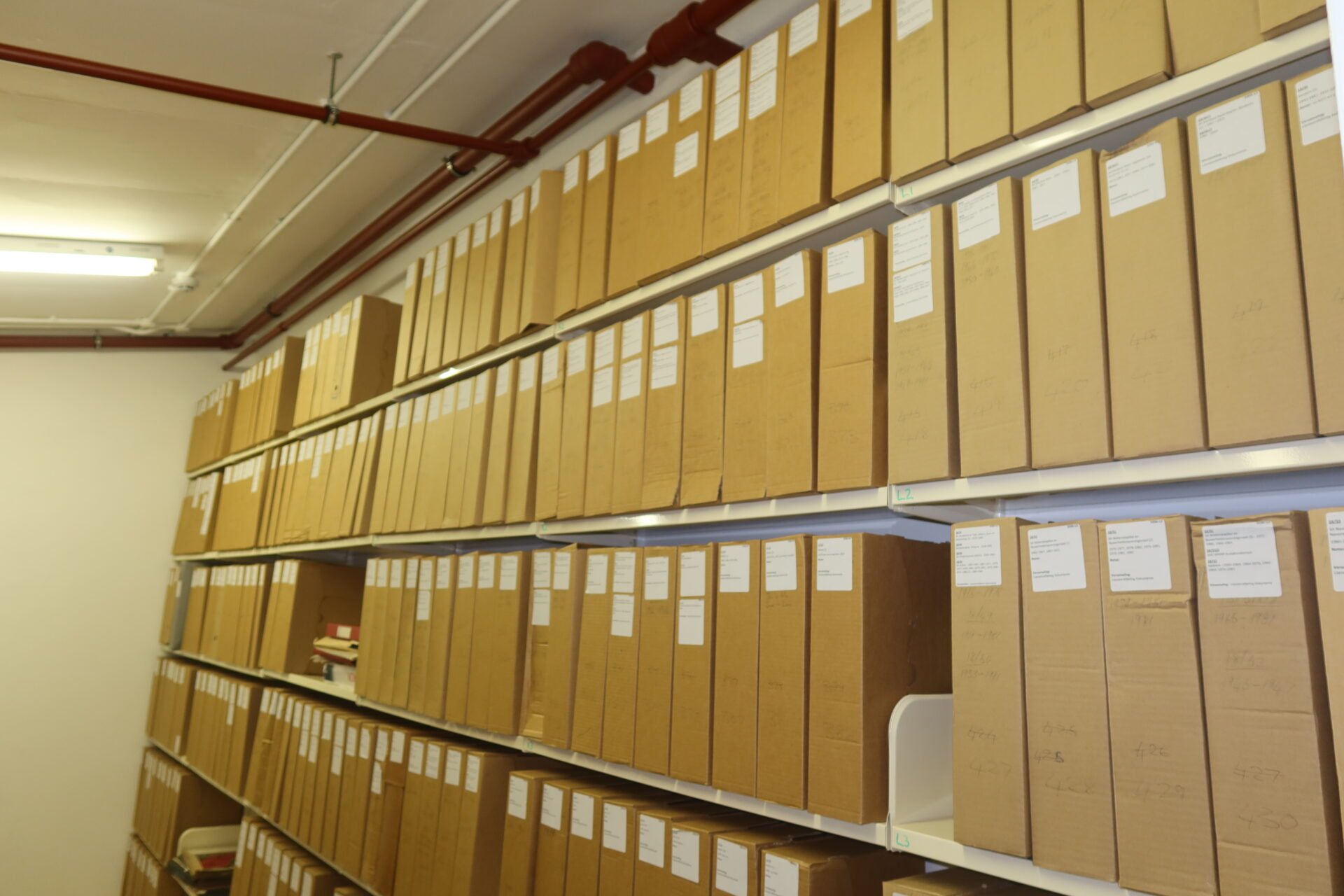
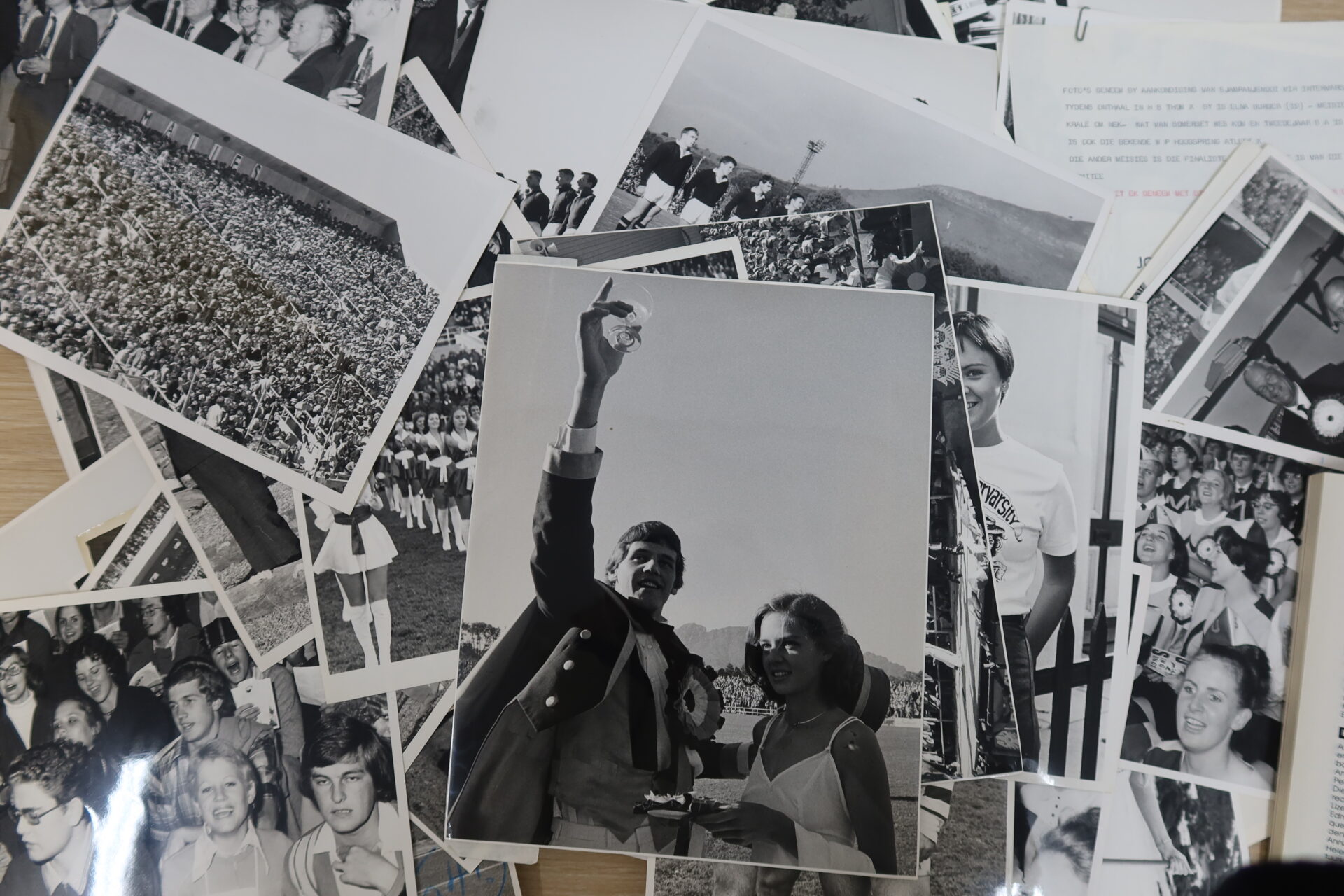
Photographs taken at the Stellenbosch University Archives, the Stellenbosch University Library Special Collections and Horst Kleinschmidt’s personal archive . PHOTOS: Kyla Laing; Supplied/Horst Kleinschmidt
Growing with history
Ruhan Fourie, a trained historian working at the Beyers Naudé Centre for Public Theology at Stellenbosch University (SU), thinks of archives as “ever-expanding” places.
“As history is ongoing, the archive must be a place that is able to grow alongside it. For when a time happens that researchers or the public want to interrogate a legacy – there is a space for people to do so,” says Fourie.
Manganye echoes Fourie’s view that archives are a means of “[sparking] conversations and [connecting records] to current social issues”.
She describes them as “living cultural hubs”, places where history is “not only preserved, but where it is actively interpreted and it gives room for debate [on] what is right and what is not within the collection”.
“I don’t believe archives are static,” Manganye emphasises. “There is so much that is happening that it’s interactive, and it’s not an issue of doing one thing that is [a] straight line. [People] are not linear. We are vast, we are broad and there is always a topic of interaction.”
When an opportunity arises to expand a collection in a way that will make it more interesting or even more diverse, even when active collecting halts, it is important to take those opportunities, Strydom believes.
Engaging with outsider organisations and incorporating new collections allows the archive to remain up to date, she says.
The SU Archives, established in 1996, is a space where history is actively engaging with the present.
The space was created with the intent of preserving the institution’s memory, says Karlien Breedt, a senior archivist at the SU Archives.
As part of her job, Breedt identifies information from today, some of which is still being used, that has archival value for the future. Former students and staff often request information from their time at the university, she says.
“You could say [that] we have these stores, with all these dusty books, and who uses them?” asks Breedt. “Even though it’s old information, it has [potential for] application to what happens today.”
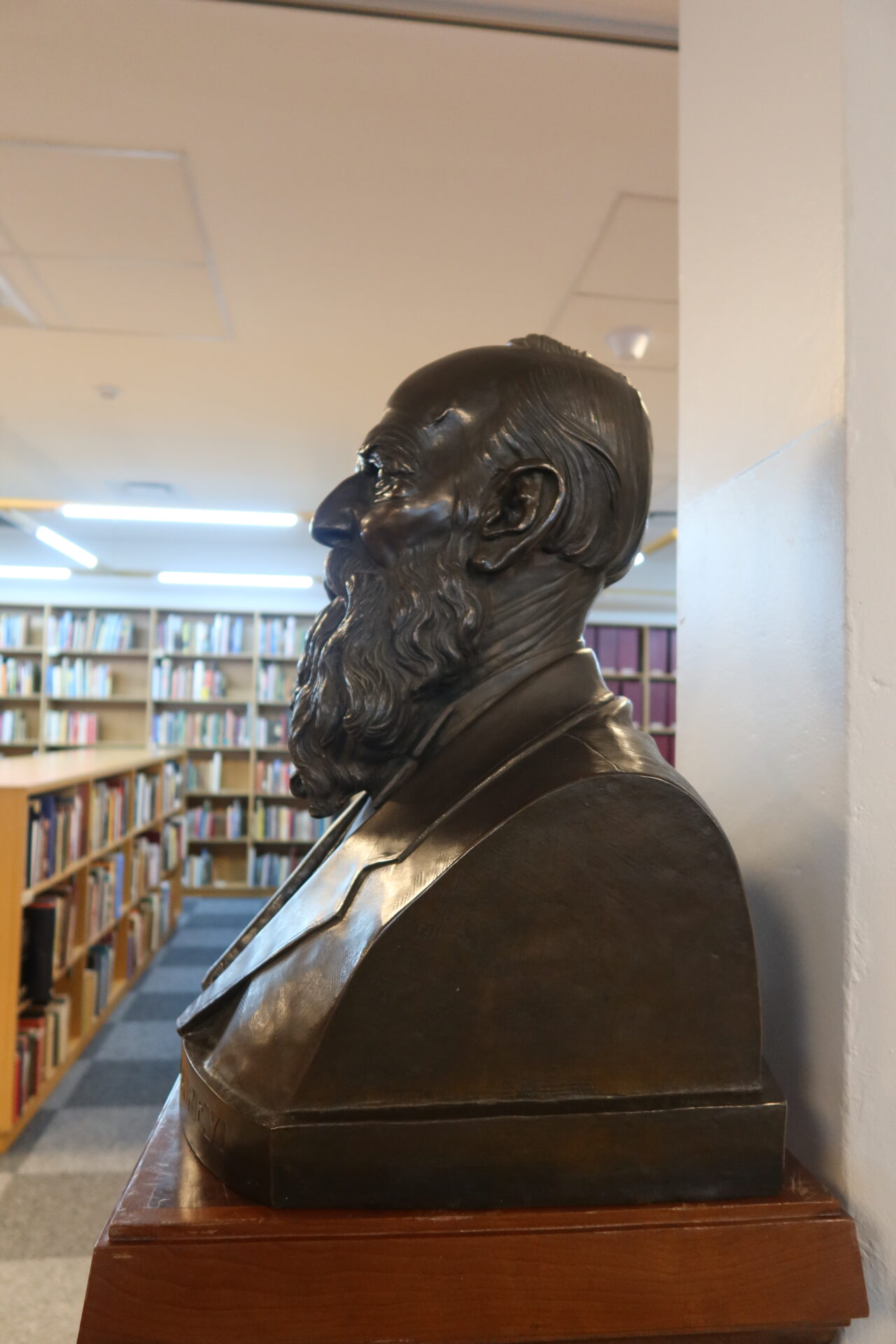
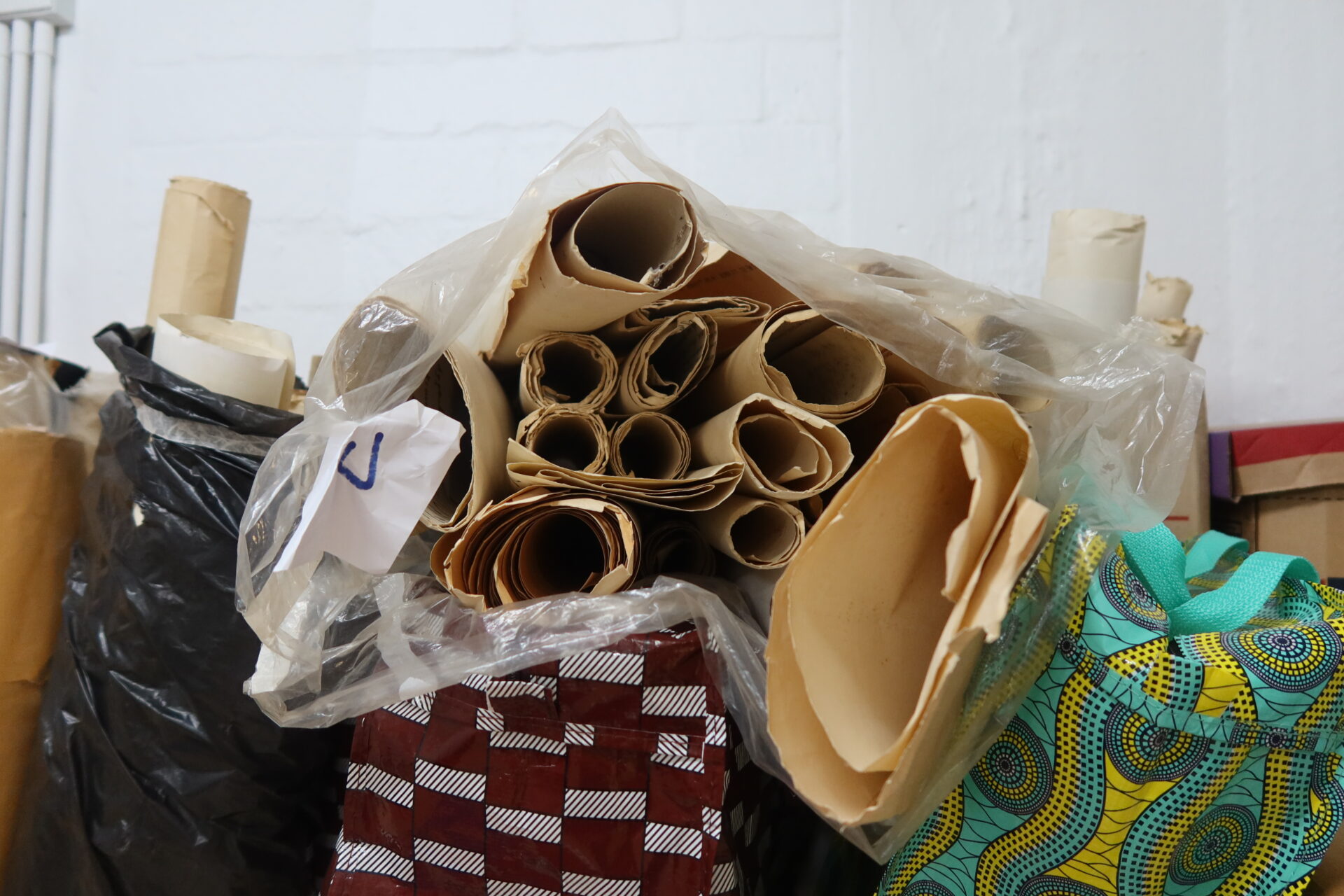
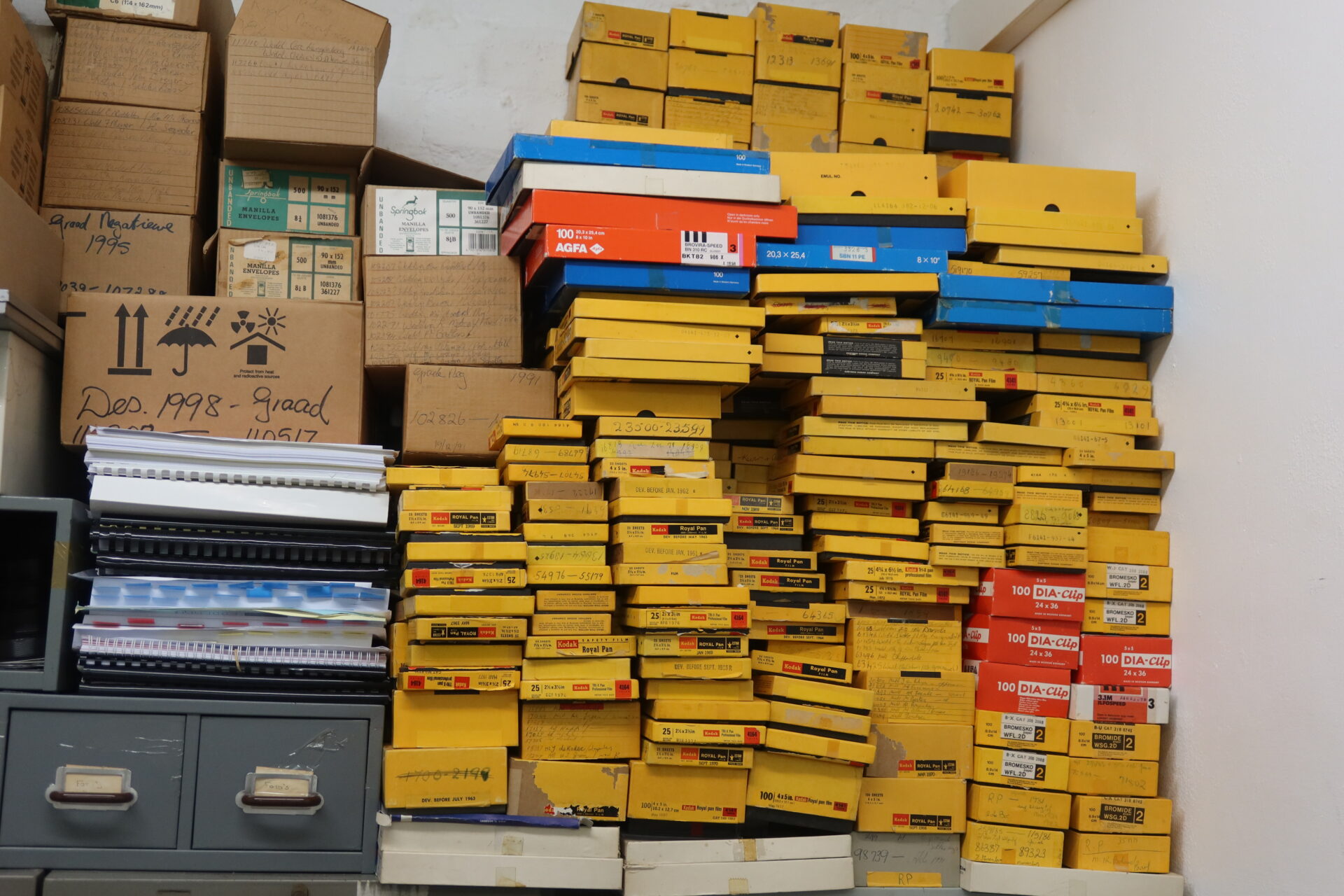
Documents should be preserved in secure, climate-controlled storage where walls are stable and risks of external factors, such as flooding and fires, are taken into account, says Ruhan Fourie, a trained historian working at the Beyers Naudé Centre for Public Theology at Stellenbosch University. PHOTOS: Kyla Laing
Contested spaces of memory
Behind every collection lies decisions about what is preserved, who gains access and which voices are excluded or included from the archive, says Fourie.
“The archive will always be a contested space when it comes to access and who chooses what is in, and what’s not in [it],” says Fourie.
But access is never absolute.
Not everything can be found in a public archive. Individuals often keep their own documents separate from their university’s official records, says Fourie.
Contestation arises not only regarding that which is included or excluded, but also over how existing records are interpreted, explains Kleinschmidt.
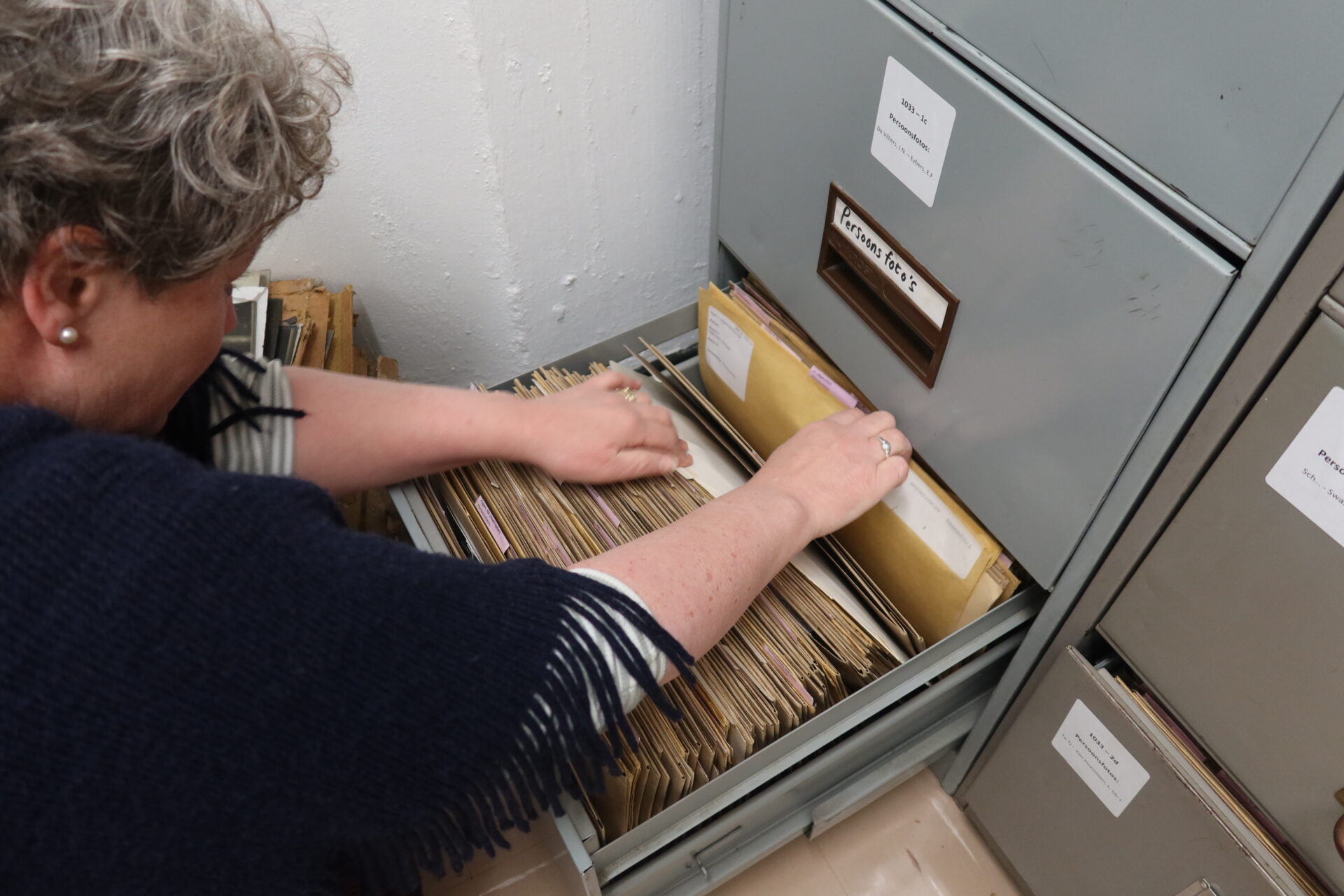
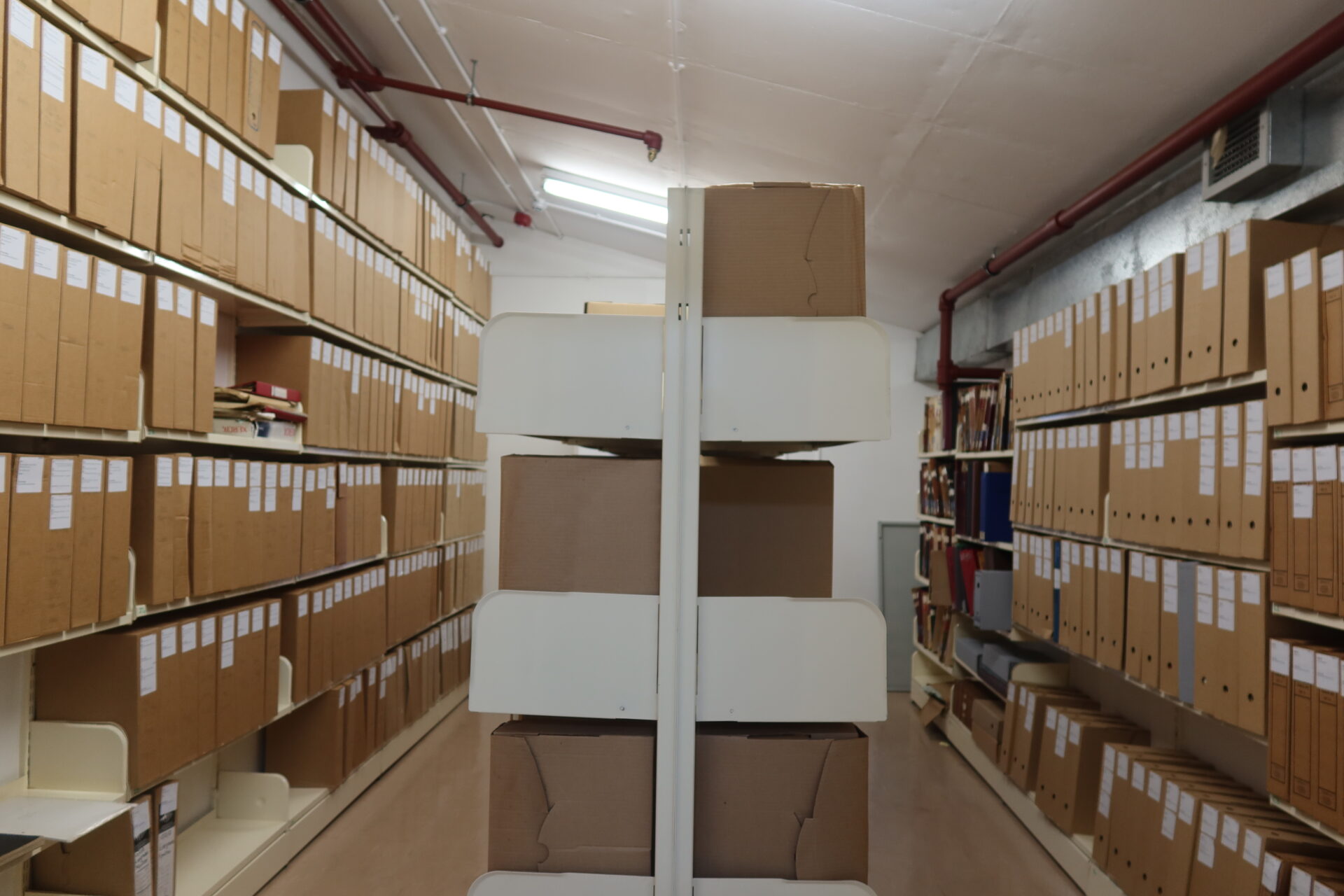
While the Stellenbosch University Archives has started its digitisation process, many physical documents still remain stored in the archive. PHOTOS: Kyla Laing
Preservation challenges
Despite its historical and cultural importance, South Africa’s archival sector faces challenges in terms of funding and maintenance, says Fourie.
“Amongst historians, we are really worried about state-run archives,” says Fourie. The infrastructure around the maintenance of archives is “crumbling”, he says.
Maintaining documents in the archive is both complex and costly, requiring the archivist to be trained not only in the science of archiving and research, but also on the topics of the archives that they are custodians of, according to Fourie.
“Infrastructure [required] to house documents [is] quite intricate and it needs to be maintained quite often. It’s obviously a financial burden on the department that needs to look at it,” says Fourie.
Documents should be preserved in secure, climate-controlled storage where walls are stable and risks of external factors, such as flooding and fires, are taken into account. Conditions like temperature and humidity must be regulated, varying by material type, says Fourie.
Sometimes, a gap exists between historians, researchers and the public, which can result in valuable information being overlooked. Fourie explains that this is not because the documents themselves are missing, but rather because of a disconnect between the archivist expertise and the way the archive contents are accessed or understood.
“You need to have a very engaged archivist if you’re going to have an active collection,” says Strydom. “There is an interesting argument that an archivist should first be a researcher.”
“The archival sector is the least-funded profession in the country,” according to Manganye. “And I would think it needs funding. I mean, it’s all our history.”
Institutions and private archives, in contrast, benefit from the attention of active researchers.
“There’s more attention being given to the maintenance of [institutional and private] archives, and the expertise around it, because there’s more active spaces,” Fourie notes.
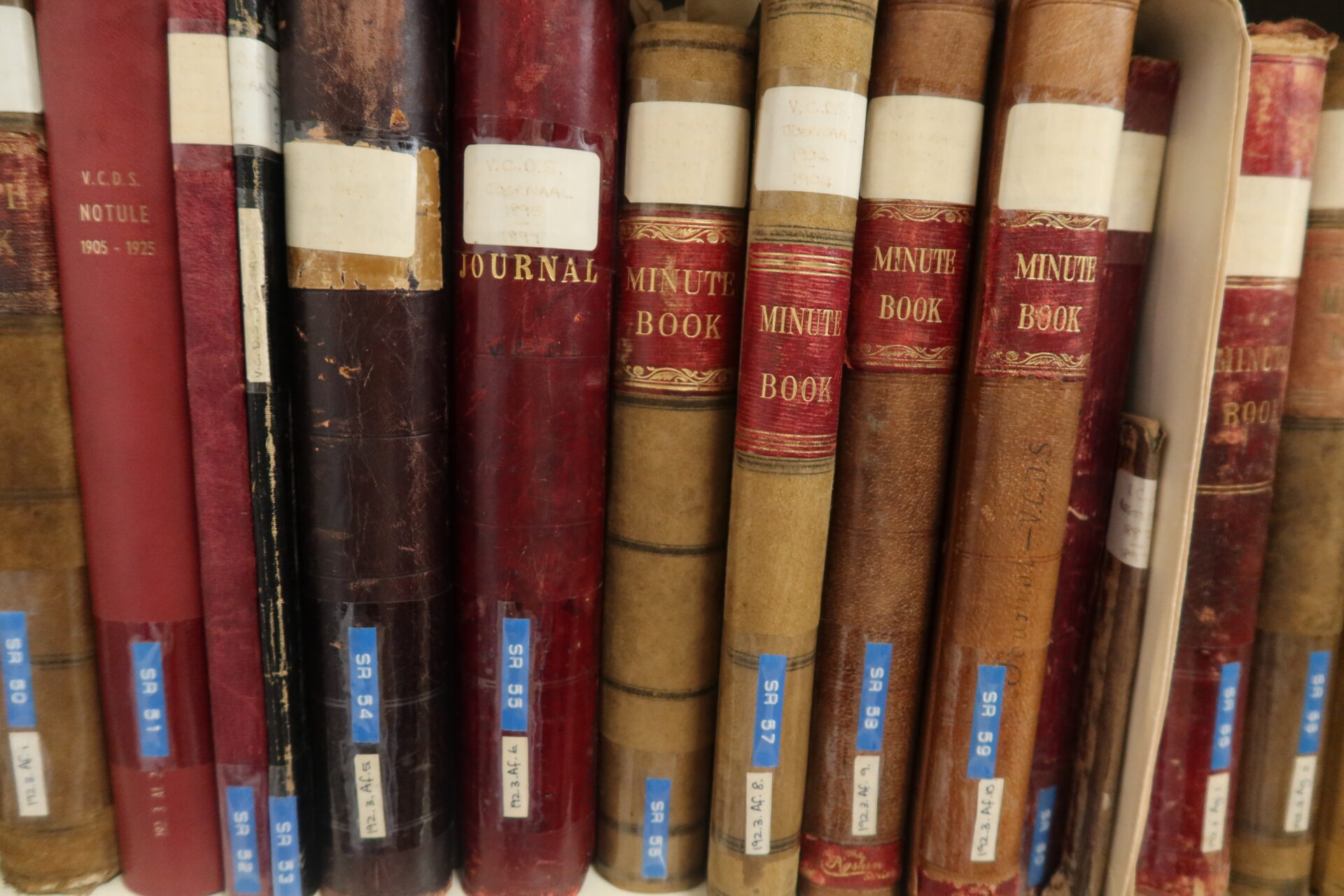
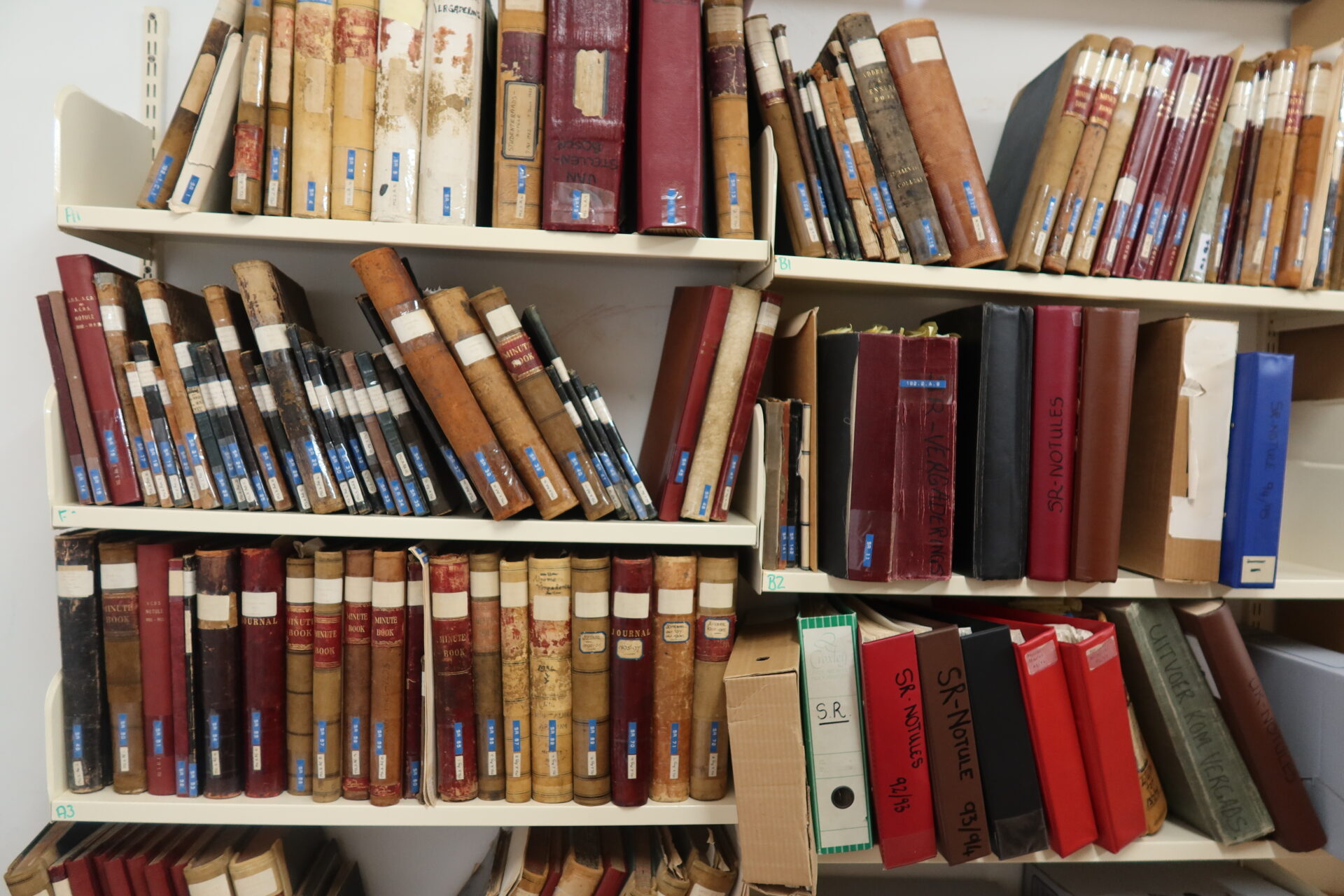
Thousands of books line the walls of the Stellenbosch University (SU) Archives, with some dating back to Victoria College, according to Karlien Breedt, senior archivist at SU Archives. PHOTOS: Kyla Laing
‘If it’s digitised, it’s accessible’
Technology is a tool that has catapulted the archival sector into digital transformation, with digitalisation projects allowing for collections to be accessed remotely and making storage easier, says Manganye.
If documents do not get digitised, they might just be thrown into a basement, and who knows when somebody will look at it, says Kleinschmidt. “So if it’s digitised, it’s accessible. That’s the way [it will] gain recognition.”
“Remote users explore our collection, comment on the collection and share historical material,” says Manganye.
In the past 75 years, there are probably more documents that have been produced on paper than ever before, or will ever be in the future, Kleinschmidt estimates.
“Everything in the future is digital, and everything before was much lesser volume,” says Kleinschmidt. “We are overloaded with paper.”
During the Covid-19 pandemic, Kelsey Lemon, a researcher at the faculty of economics at SU, drew on digitised newspapers and transcribed death certificates to study the effects of Spanish flu in South Africa.
The project, Life and Death in South Africa, traced how public health measures were implemented. “During Covid, a lot of people were using Spanish flu research to speak to the current moment,” says Lemon.
By combining archival sources with contemporary concerns, Lemon’s research demonstrates how archives can be active tools for engaging with the present and the past through digitised archives.