Healing through colour & clay
Art is the use of a physical medium to express creativity and imagination. And it also has the ability to uplift and heal. Across South Africa, individuals and organisations are using art to make an active change in citizens’ lives.
Situated in an industrial park in Paarl, in the Western Cape, is an open-plan art studio. Littering the floor are large sheets of paper. Lining the walls are floor-to-ceiling portraits of men. Towards the back of the studio is a couch where contemporary artist Marieke Kruger sits, sharing her stories of working with prisoners.
In 2015, the Jack Meyer Art Centre in Paarl, where Kruger works as an art educator, wanted to start an outreach programme. As part of this programme, Kruger chose to conduct art workshops at Drakenstein Correctional Centre.
“It was the most amazing experience,” says Kruger, who further explains that the workshops involved drawing and printmaking, excursions to exhibitions and opportunities for prisoners to host their own exhibitions showcasing their work.
She points to one of the portraits lining the walls, all of which are of prisoners that she has worked with. His name is Joseph Buys, and he was one of “the most talented and most committed” prisoners she ever worked with, she says. When they met, Buys was in his late 50s, but had been in and out of prison since he was 16 years old for murder and petty crimes.
When Kruger started working with Buys, she noticed his talent for printmaking. Often, she says, Buys would practice his craft late into the night while the other prisoners were asleep.
Buys, who passed away a few years after his eventual release from prison in 2018, went on to exhibit and sell his work at the Avital Lang and MOK galleries, says Kruger.
Throughout her years of working with the prisoners, Kruger has found them voicing how therapeutic they find art practice.
“There’s something about art practice that has a healing capacity,” says Kruger. “A way of expressing themselves where they can channel the energy, like negative energy can be positively channelled in the creative process.”

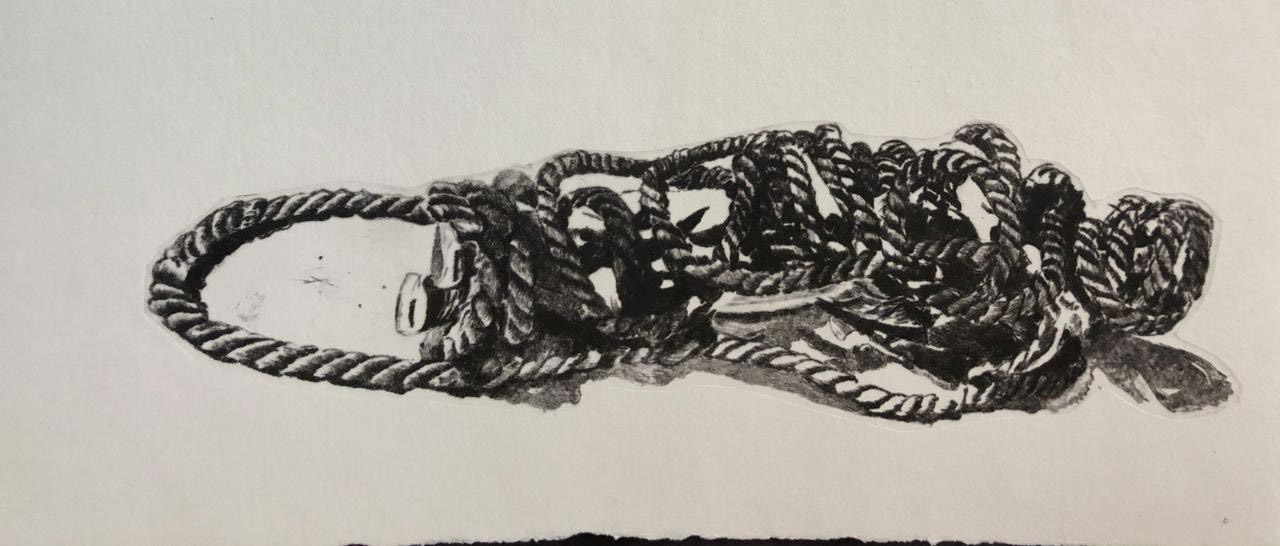
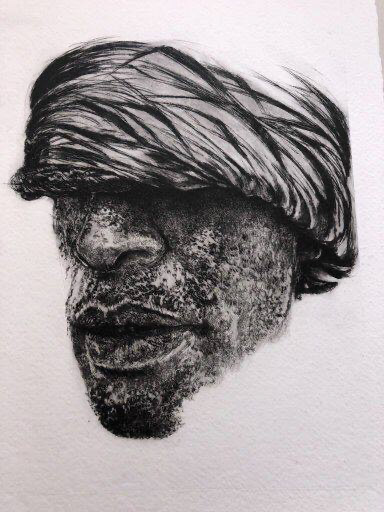
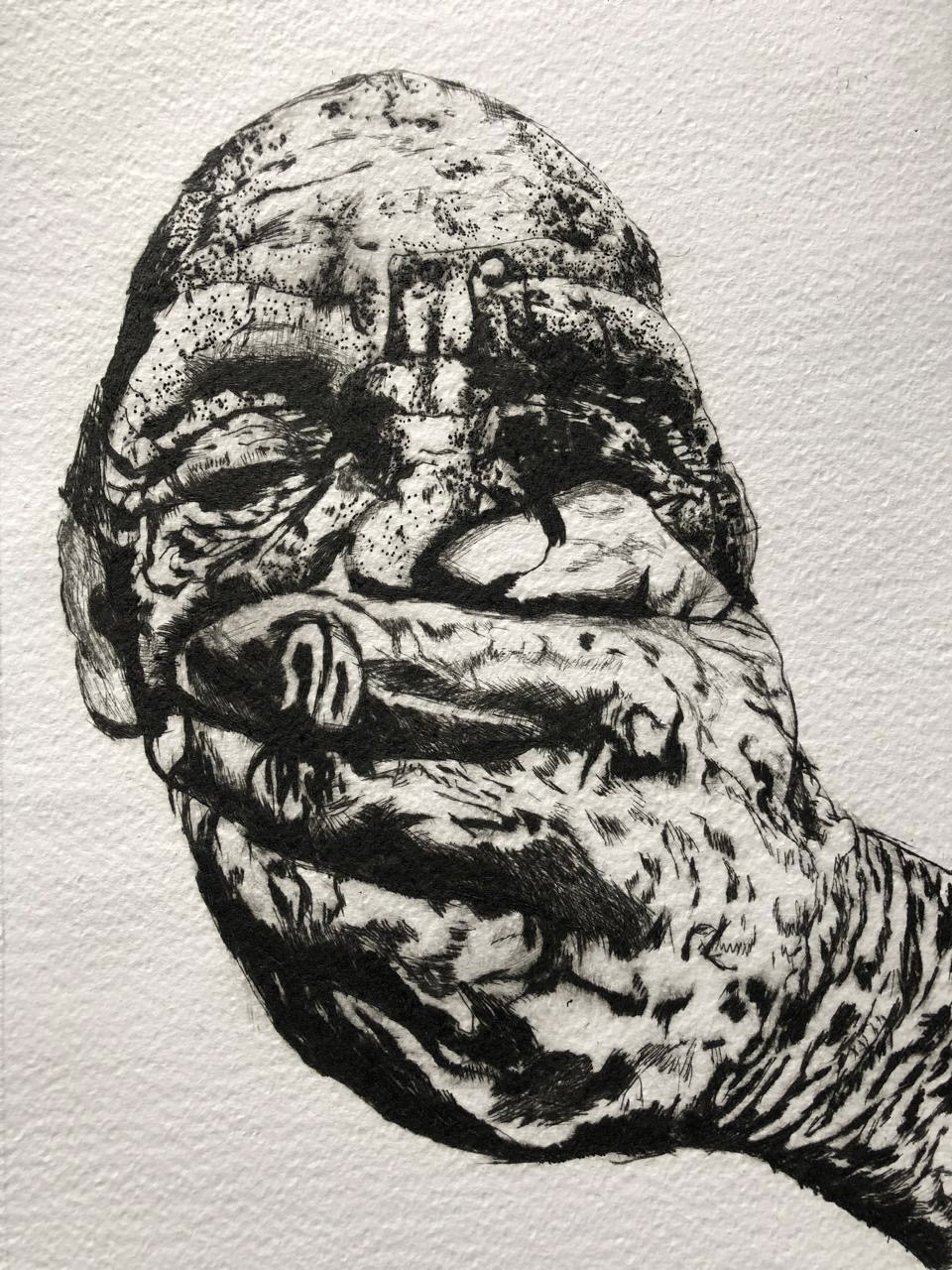

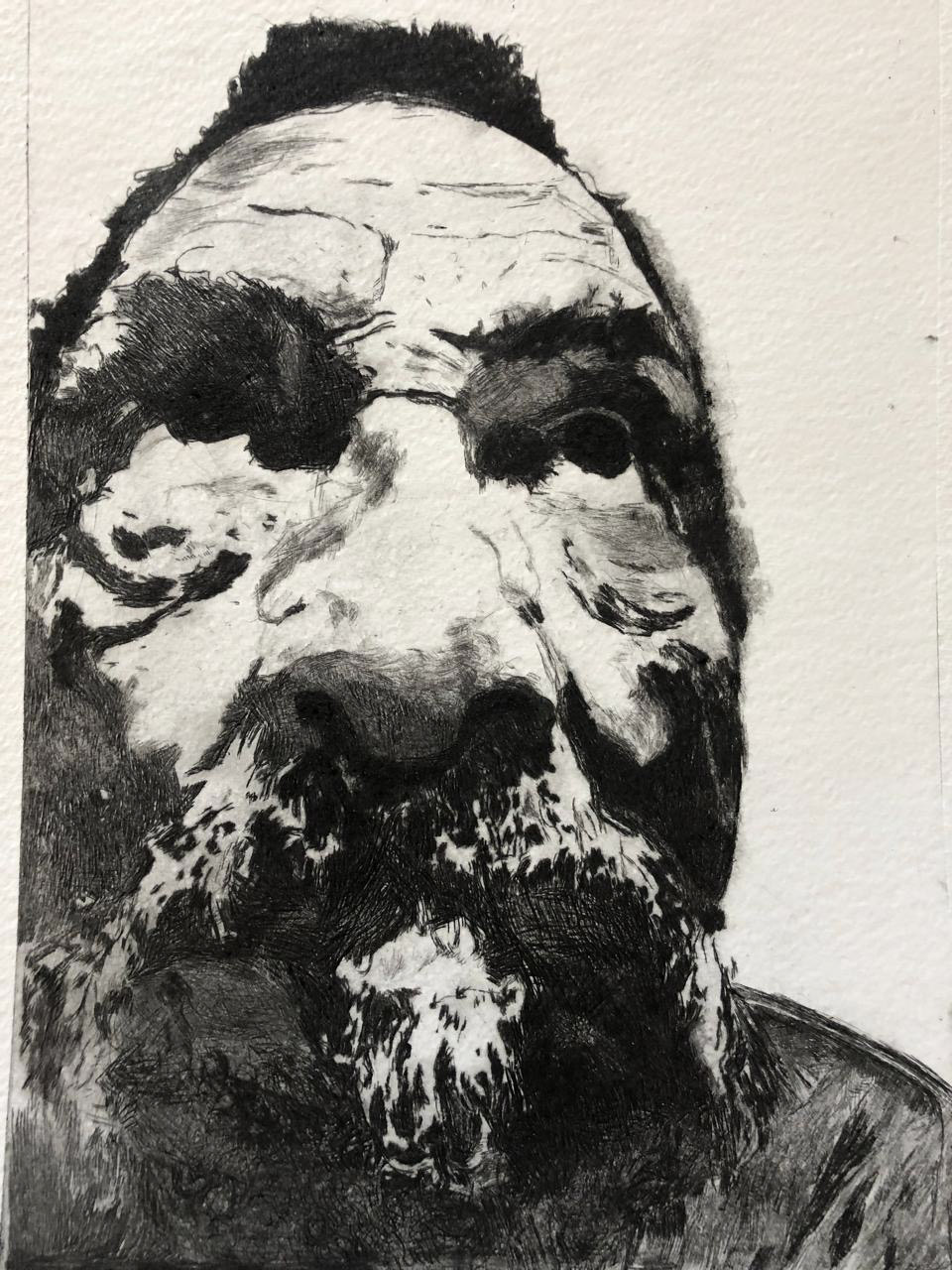
A collection of works created by Joseph Buys and Neelan Naidoo, both prisoners who Marieke Kruger mentored. PHOTO: Supplied/Marieke Kruger
Art therapy: A new modality
Through her work with prisoners, Kruger has found herself inspired to undertake a PhD through University of South Africa (UNISA), in which she aims to investigate art in an “advocative way”. This entails exploring how it can serve as a “middle ground” or intermediary space between prisoners and their estranged families, she says.
“I’ve always felt that [meeting again] is a very emotionally-loaded situation for [the family members] and also for the prisoner himself,” says Kruger.
Kruger dreams of a space where art is exhibited “without physical presence or words”, for estranged families of the prisoners to “experience what the prisoner has [created]”.
This ability to transcend boundaries and express emotions in a non-verbal capacity is what makes art therapy unique as a formalised medical practice. This is according to Kamal Naran, part-time lecturer at the University of Johannesburg (UJ), who oversees an art therapy programme where he works with both honours and master’s students.
Art and art therapy “offers alternate non-verbal pathways into expression of experience that may be too difficult to process with talking”, says Naran. “It can bring form to the formless.”
“Art in itself is a universal language,” he says. “If we think about [South Africa] and what a multicultural melting pot it is, art therapy is the pot that can hold all of it.”
Leigh-Anne Alexander, a qualified art psychotherapist, describes art therapy as an active artmaking and creative process which is underpinned by psychological theory. It is the added ability to use non-verbal ways to communicate, therefore, making art therapy “so accessible”. She explains that it is because everyone can create an image, but not everyone can always articulate how they experience depression or even recognise and describe its symptoms.
As a formal qualification, however, art therapy is still in its infant stages in South Africa, according to Alexander and Naran.
Despite being registered as a single-medium practice under the Health Professions Council of South Africa (HPCSA) in 1997, it was only in 2020 that an honours degree in arts therapy was launched at UJ, says Alexander.
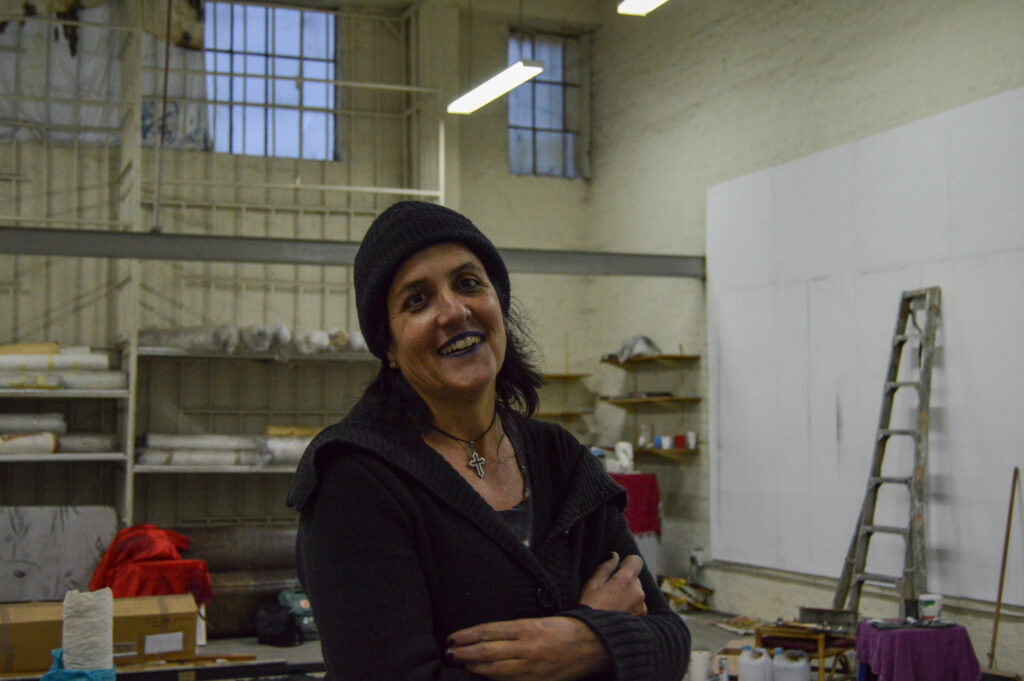
Contemporary artist and art educator Marieke Kruger, who has conducted art workshops with prisoners for over a decade, in her studio. PHOTO: Annemieke Thomaidis
Currently, contemporary artist Marieke Kruger is working on new portraits of some of the prisoners she has mentored over the years. VIDEO: Annemieke Thomaidis
Lines reimagined
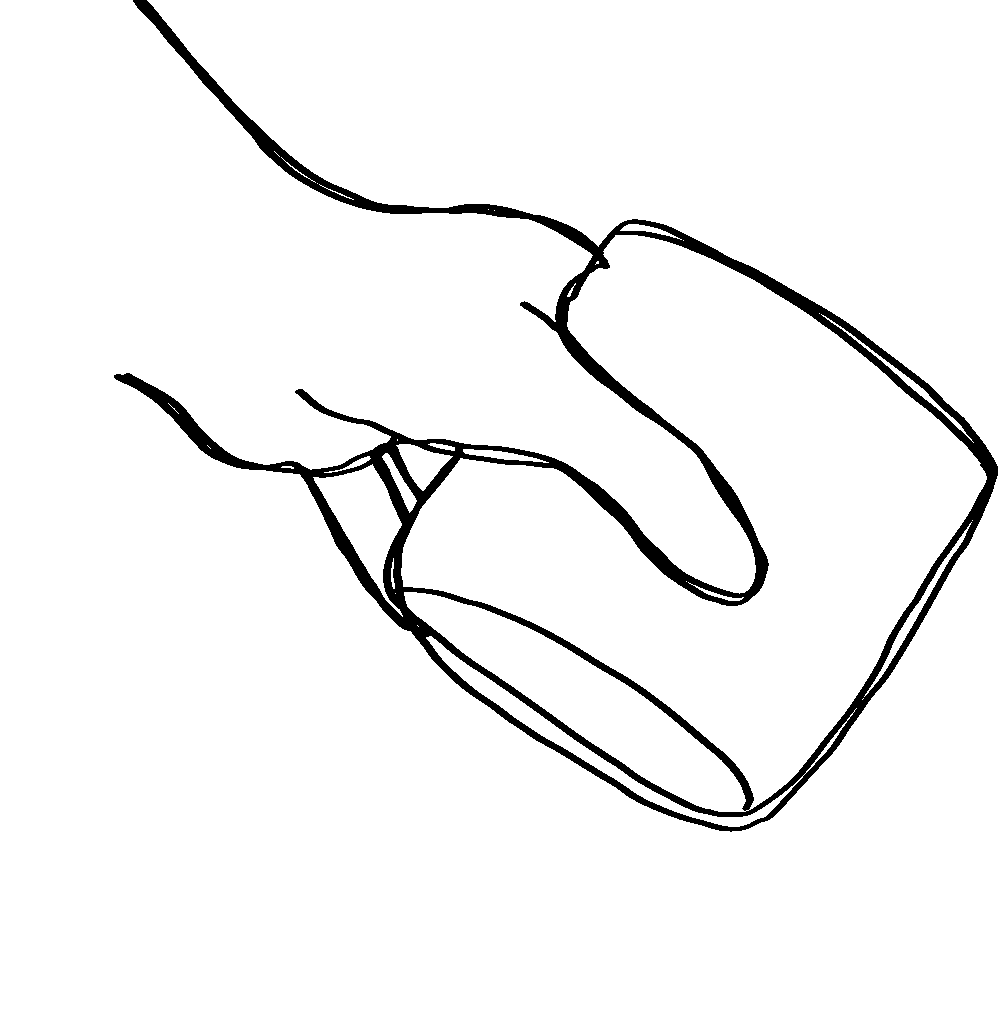
Art has the ability to convey information and emotions that words often cannot.
While working at Lentegeur Hospital, a psychiatric and mental health hospital in Cape Town, Alexander encountered a patient with schizophrenia. He was a 17-year-old boy who, through substance abuse, had developed psychosis and gone mute.
Despite weeks of trying, psychiatrists and psychologists could not get through to him, says Alexander. And then he became one of her patients.
By having him perform artistic activities, such as drawing his family and creating collages of all of his favourite things, Alexander was able to acquire information that verbal therapists could not. In such cases, art therapy becomes “super helpful”, says Alexander.
“It can transcend things like language and can provide the opportunity for new understanding,” says Naran.
Stories in clay
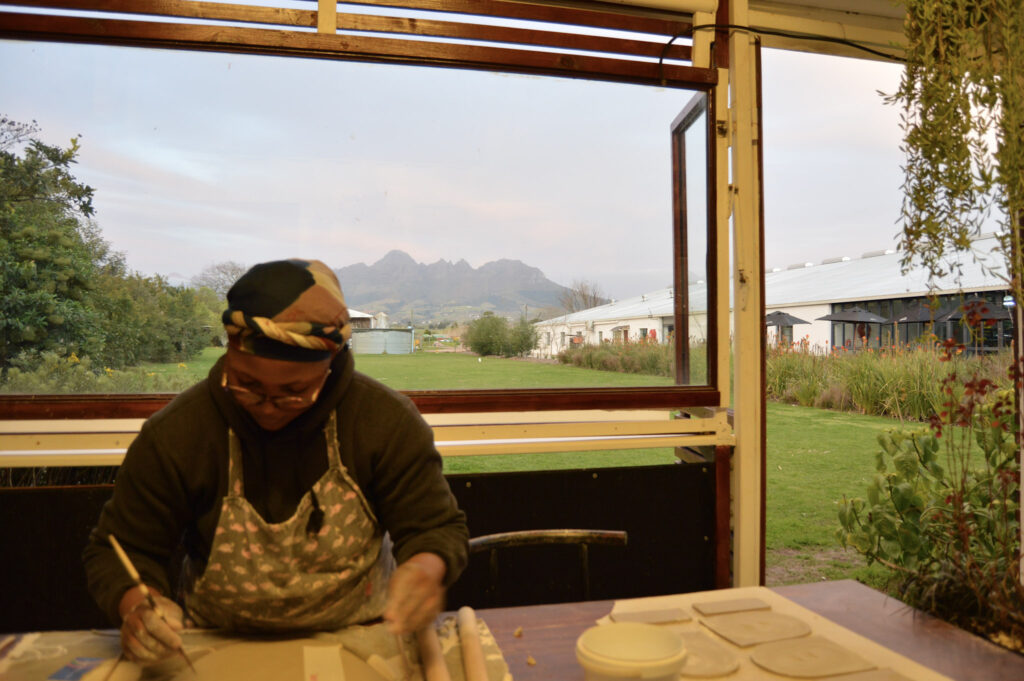
Just as Kruger used art to uplift the incarcerated by helping them develop skills that could generate income, a pottery studio outside central Stellenbosch has used clay to empower women working on farms.
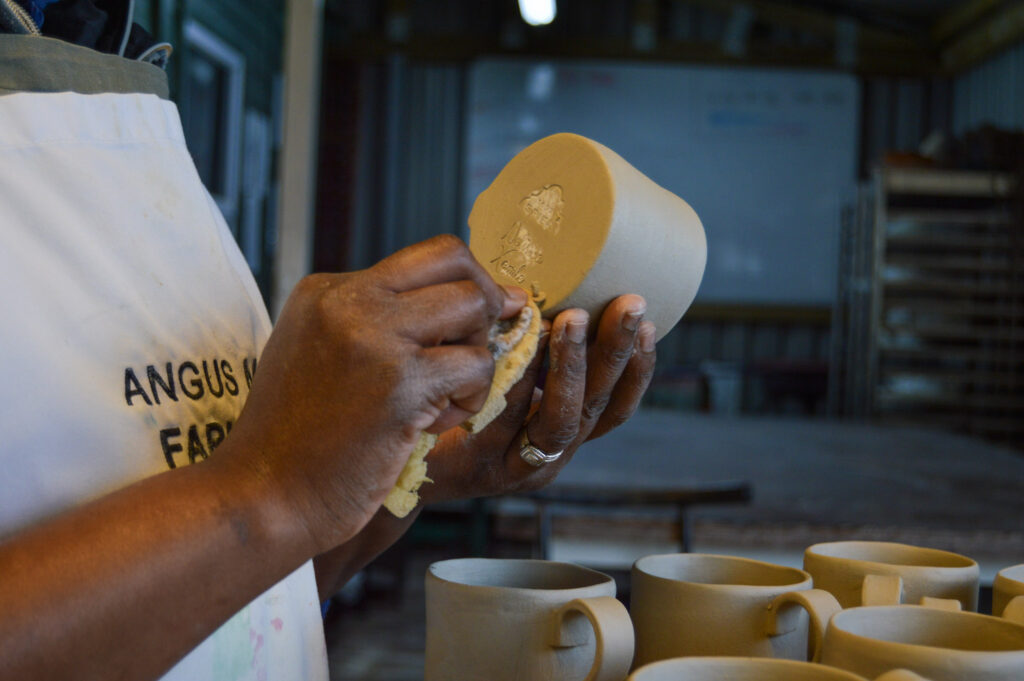
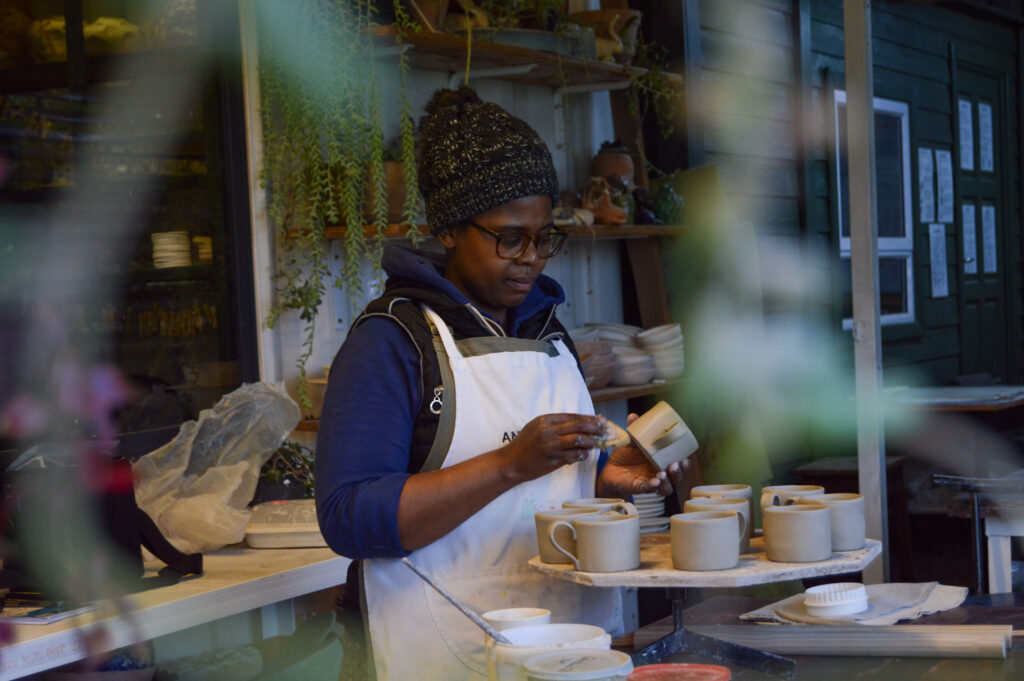
The Crafter’s Corner, established in 2017 under the umbrella of the Living Arts Foundation, offers free ceramics classes for women who work on the local farms surrounding Stellenbosch. These classes and materials are subsidised by income generated through classes offered to private students.
This is according to Heidi Hirsch, current manager of the studio and biologist who joined the studio in search of a creative outlet after growing tired of “just pure science”.
Hirsch had never done pottery before but became “completely hooked” by clay.
“Clay changes you,” says Hirsch. “It’s very therapeutic and meditative.”
At the time of writing, four women attend the classes, which are held twice a week. These women are Tafadzwa Mhondiwa, Neliswa Xamle, Zanele Hlabisa and Nicolene Claasen.
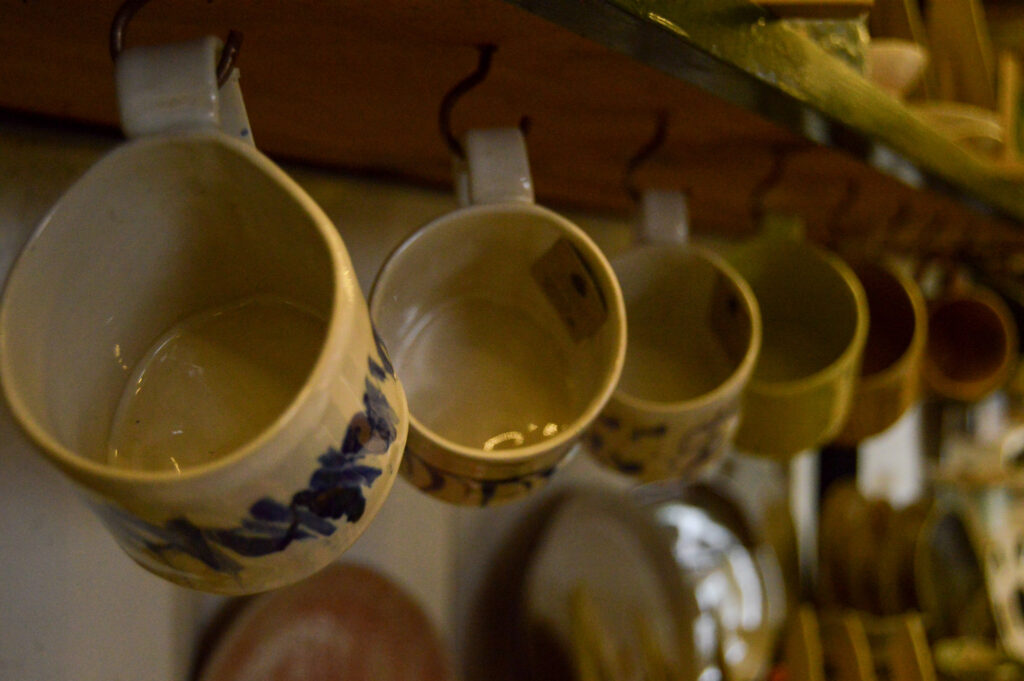
Starting out by simply making buttons, they have honed their craft over time and can now make anything ranging from mugs and bowls to jellyfish vases and coral-like candlesticks. They then sell their creations to various stakeholders, such as Spier Wine Farm, which is currently their biggest client, according to Hirsch.
Their newest member, Zanele Hlabisa, who works on Spier Wine Farm, was merely an onlooker, watching Mhondiwa and former member Thembi Hlazo go to the studio in the evenings to craft. In 2023, Mhondiwa encouraged Hlabisa to join, she says.
“I didn’t know anything about clay,” says Hlabisa, explaining how, at first, she would occasionally miss sessions because she was unfamiliar with clay. Now, she feels far more confident in her craft and proud when something she makes translates into something tangible: Money.
For Mhondiwa, the most experienced of them all, making clay is therapeutic because it allows her to forget her problems and just focus on what she is doing.
This is especially true for her following the loss of the women’s fellow member and friend, Hlazo, to a car accident in 2021, Hirsch says.
“It was a big cut,” says Hirsch. “She was this amazing personality [and] always happy.” Coming to the studio after her death, Mhondiwa says that she, too, felt “emptiness and loneliness”.
However, the crafters feel as if clay, somehow, brought them all closer together during this time. “As I said a few times, I think it’s very therapeutic. I think clay is a teacher and it teaches you so many things,” says Hirsch.

Not to be confused

While Alexander and Naran recognise the benefits of art-based activities as forms of expression and healing, they agree that art psychotherapy and the clinical benefits gained from artmaking are different.
Art therapy is an established form of psychotherapy delivered by an art therapist who has studied the subject at a master’s level, says Naran.
“When we use art-based activities in our practice and are not trained as art therapists, you are not doing art therapy, you are using it as a tool,” he says. “And there is value in this as well… However, the depth in which one would be able to explore what more might be sitting in the art is not engaged with and that […] could be very distressing.”
Alexander and Naran wish for a space where formal art therapy and art-based initiatives can co-exist.
This is so that one can provide an “ethical and supportive space” should the art process “evoke something that requires deeper understanding and therapeutic holding”, says Naran.
However, the challenge lies in the lack of advocacy for art therapy to be recognised as a profession that is capable and effective in the mental health modality.
“It needs to be woven into existing healthcare settings,” says Naran. “You should be able to walk into hospitals, clinics, etc. and find an art therapist as part of the services accessible to the people.”
Jar of emotions: Reflection prompts
The ‘jar of emotions’ is an activity that art therapist Leigh-Anne Alexander typically gives to her patients, in which they will fill each jar according to how much of that emotion they are feeling. Listed below are reflection prompts based on the activity provided in the SMF magazine.
1. What fills the jars:
- What happened this week that poured into your [emotion] jar?
- Can you remember a small moment today that added a drop to your [emotion] jar?
- Who or what most often fills your [emotion] jar?
- Did anything surprise you by filling your [emotion] jar when you didn’t expect it?

2. What empties the jars:
- What helps you take some of the weight out of your [emotion] jar?
- What do you wish others knew about helping to empty your [emotion] jar?
- If your jar had a tap at the bottom, what would help release some of what’s inside?
- Is there something that usually shrinks the amount in your [emotion] jar quickly?

3. Tracking & monitoring:
- Notice which jars feel fuller today than yesterday. What might explain the change?
- Which jar do you think is growing slowly in the background?
- If you made a tiny jar for hope, excitement, or calm — what would be in it right now?
- Which jar do you most want to keep an eye on this week?

GRAPHICS: Annemieke Thomaidis